forest stewardship
Our house, along with six others, sit in a snug row along 30 acres of heavily wooded lakeshore. Steve and I own three of those acres. For years I have been wanting to know more about how to manage our section of the woodland. And finally this winter, I found the perfect solution: The Minnesota DNR started offering a free Friday morning webinar called “Friday with a Forester”. It’s been great. So far I’ve listened to experts talk about preparing our northern woodland for “Climate Resiliency”, and just last Friday I learned about “Enhancing Forest Habitat for Birds.” I am loving learning the best practices for managing our trees. Honestly, I am such a nerd.
For example, last week I learned about the importance of “high mast trees” for wildlife habitat. Have you ever hear of this? I knew oaks have masting years, but I never thought much more about it. But there is a whole category of “masting” trees: High mast trees in Eastern hardwood forests–such as oaks, hickories, beech, and hazelnuts–are vital, and nutrient-rich “hard mast” producers essential for wildlife, particularly during winter. These deciduous trees dominate the canopy, periodically dropping large amounts of nuts in mast years to overwhelm seed predators. Literal air drops of high density, nutrition rich, protein. It’s so cool!
We have lots of masting trees (mostly oaks, walnuts, and hazelnuts), and lots of wildlife. But hickory might be a fun addition!?
Pin oak (?) acorns caps I picked up in Atlanta last autumn
spring visitors
We’ve had a squadron of wood ducks in our yard all spring. I don’t think they will stay, I believe they are passing through. And honestly, I don’t know if they are same ducks day to day or not. Their markings and colors are stop-in-your tracks arrestingly beautiful, no matter how many times I see them. Interestingly, this little side feather is the only one I have found so far. Spring is definitely not molting season, it’s mating season. But I am surprised I haven’t found at least a few more as the males jockey each other for the females’ attentions. Only one–it makes it feel like a gift.
wood duck feather
barely keeping up
I’ve been puttering out in the yard non-stop. Certainly more than is wise for my 61 year old body. But I can’t stop–perhaps it’s having been gone for a year. It feels good. But it also means I am not spending much time with my camera. I am sure you will forgive me this indulgence. Spring only last a few weeks, and once the bugs and humidity arrive, I much prefer the deck anyway.
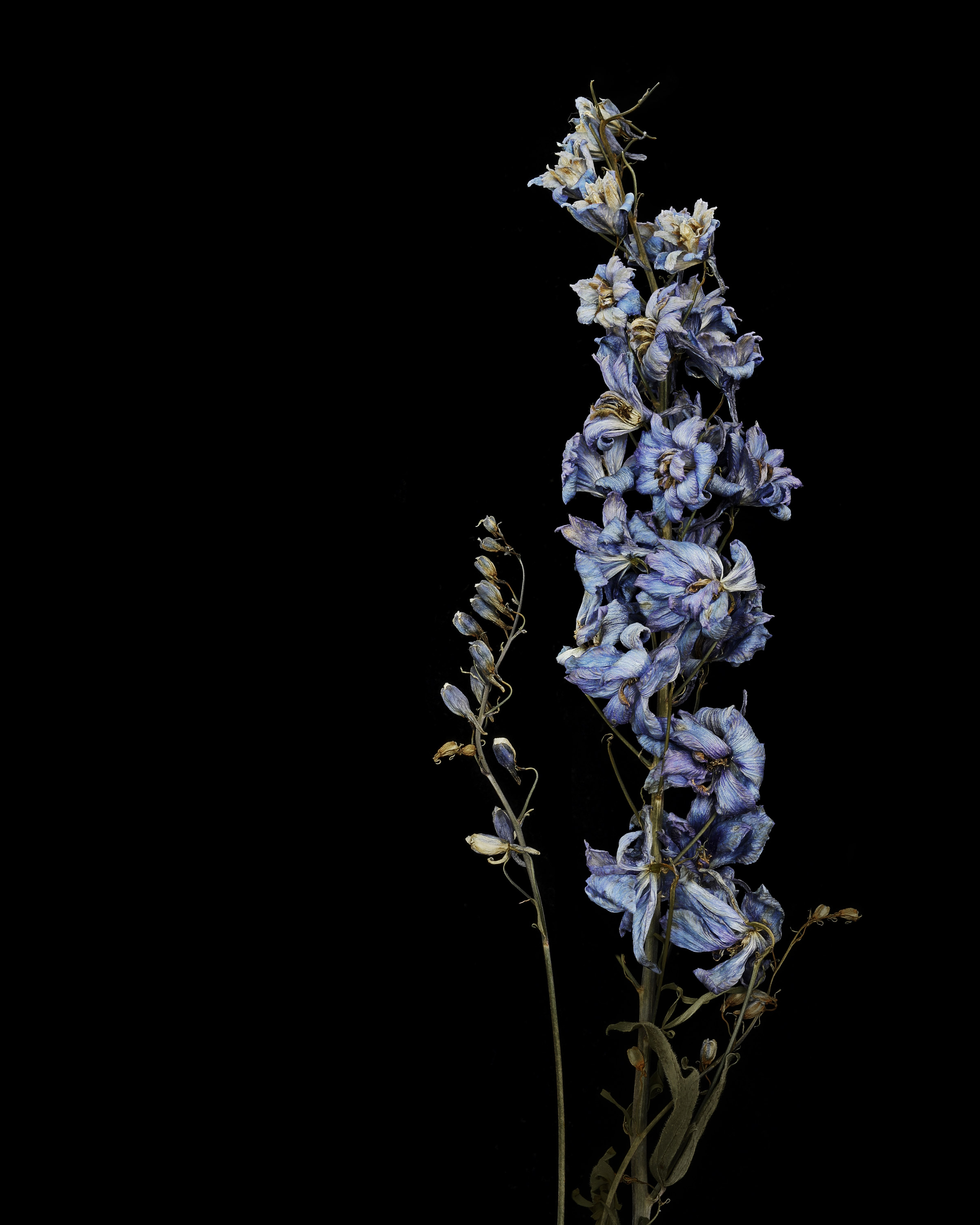
dried pink tulip flower petals
-
I really like this one! It’s so great to have you back!
reply
white subjects on black backgrounds
My day got away from me today. I had a (minor) medical procedure in the morning, and gave a zoom presentation to the Tampa Bay Camera Club in the evening, then talked to my daughter in CA for two hours. Nevertheless, it left little time for STILL blog. Hence, white rice on a black background–one of the perks of this new black background is the ease (and swiftness) of shooting white subjects.
white basmati rice
I say tomato, you say tomahto
Tamaracks are native to Minnesota. The sight of a stand of tamaracks lit by low autumn light, when the needles have just turned golden but not yet fallen, well . . . I don’t need streets paved with gold in my afterlife. I’ll take a swamp gleaming like filigreed brass in late October, in Northern Minnesota.
(By the way, in England tamaracks are called larch. What side do you fall on?)
old and new Tamarack cones on a single branch
-
Such sweet little (are they little?) cones! I didn’t know that a larch and a tamarack were the same tree! I always called them larches, but I much prefer tamarack so will call them that from now on :) Thanks for teaching me something new, MJ!
reply
Love this. I learn so much from you! To start my day with beauty and knowledge, STILL is the first site I open each morning. Then it’s on to the Obituaries. ;-)
That DNR webinar is such a great idea! And I think the world needs more nature nerds, so thank you for being one, honestly. It would be quite the undertaking, but very cool, to “inventory” the trees on your three acres. Right now I have hundreds of trees on my 1/4 acre. All but 12 are 3″ tall Norway maple seedlings that I’m pulling as fast as I can, haha!