

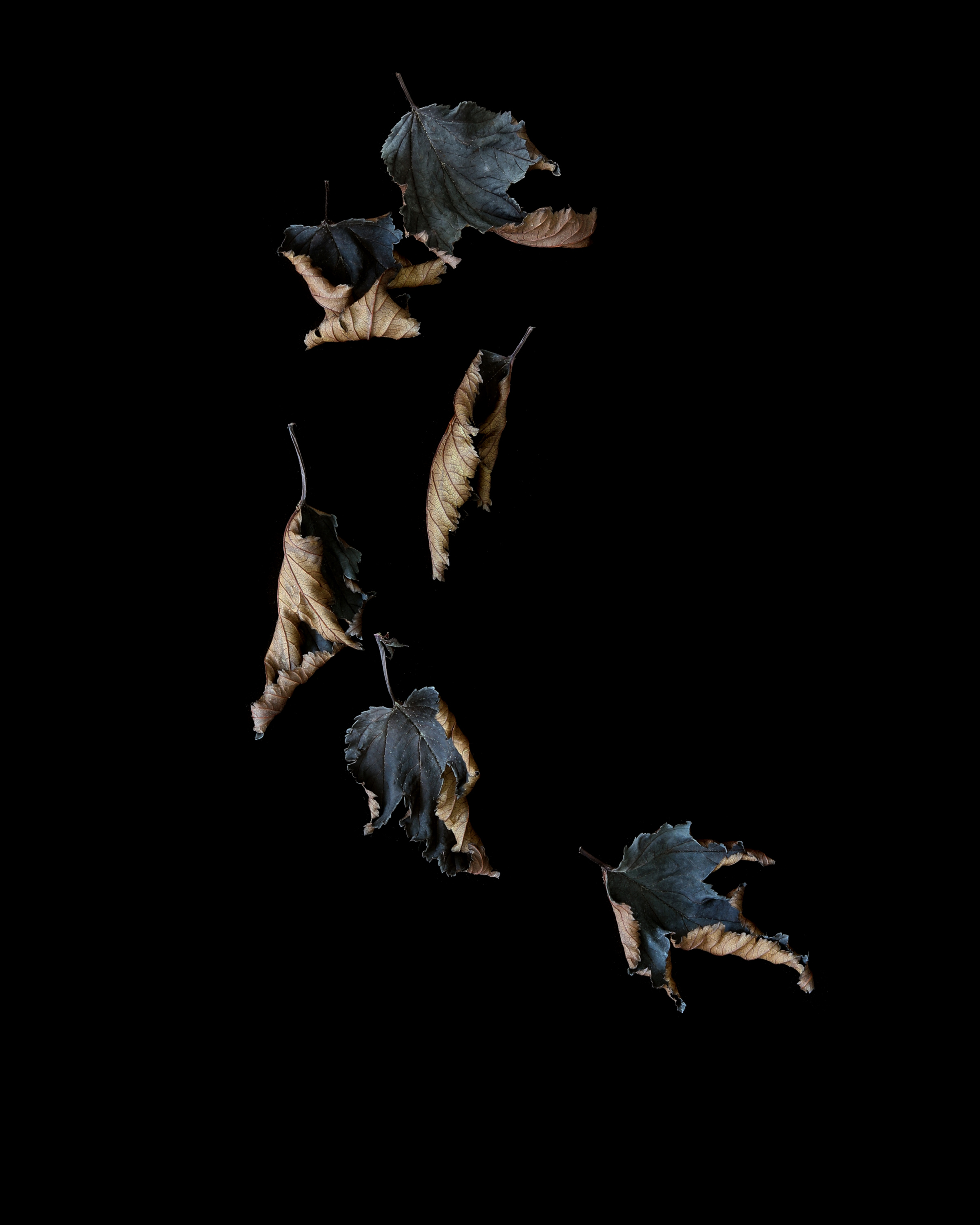
it’s all about leaves for a week or two
As we say here in Minnesota “it’s ruhl pretty out there right now!”
unidentified leaves from a landscaping bush at my bank
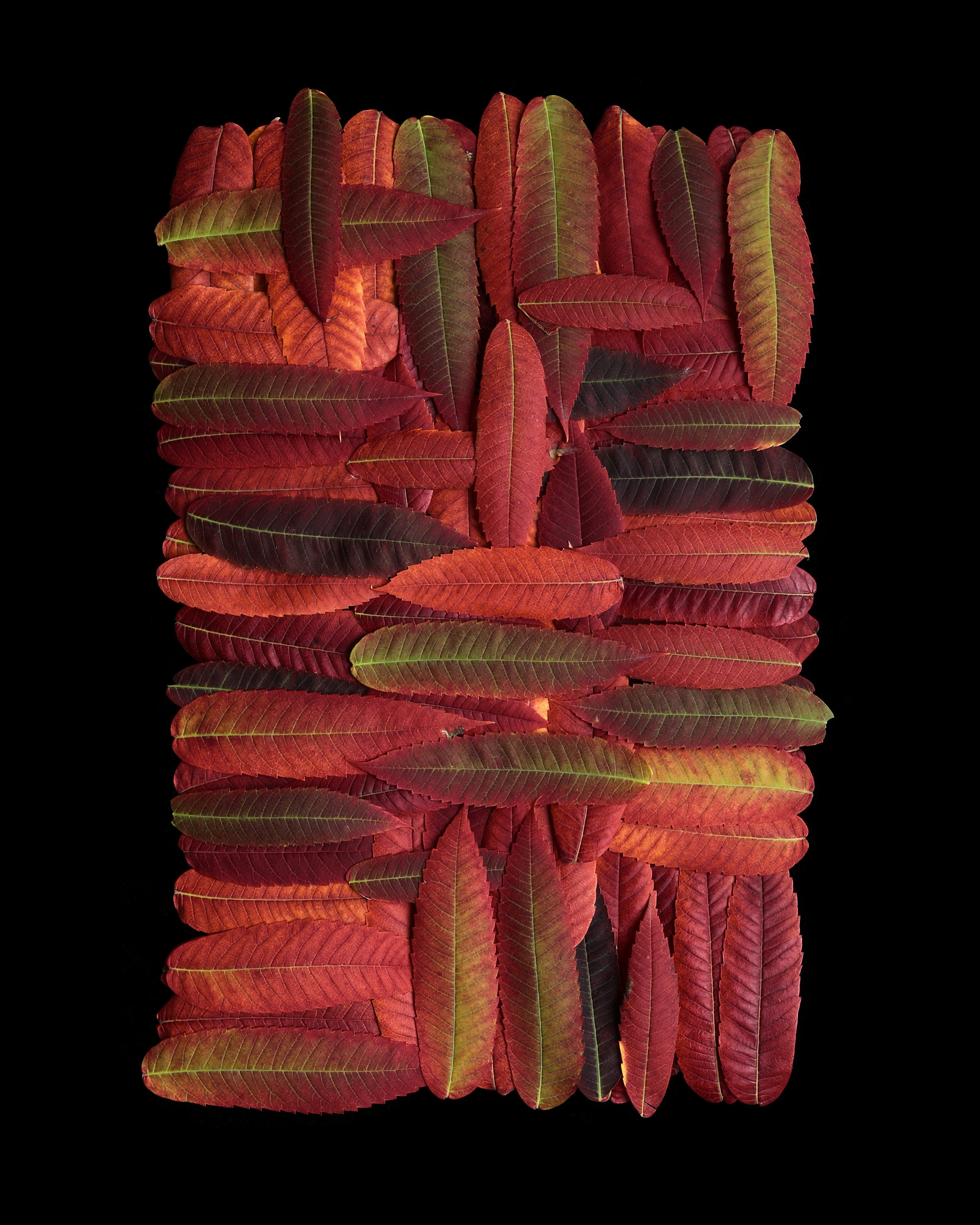
there is a nip in the air
Here’s a blanket for you. I made it today, so we can sit together on the deck for a few more days, before the cold chases us inside until spring. It’s sort of like those old crazy quilts that were made of scraps. Remember those? A sumac crazy quilt.
Staghorn sumac leaves in mid-October
-
Yes! Oh, yes!!! I feel warmed immediately by this crazy quilt :) But I am truly not ready…
reply
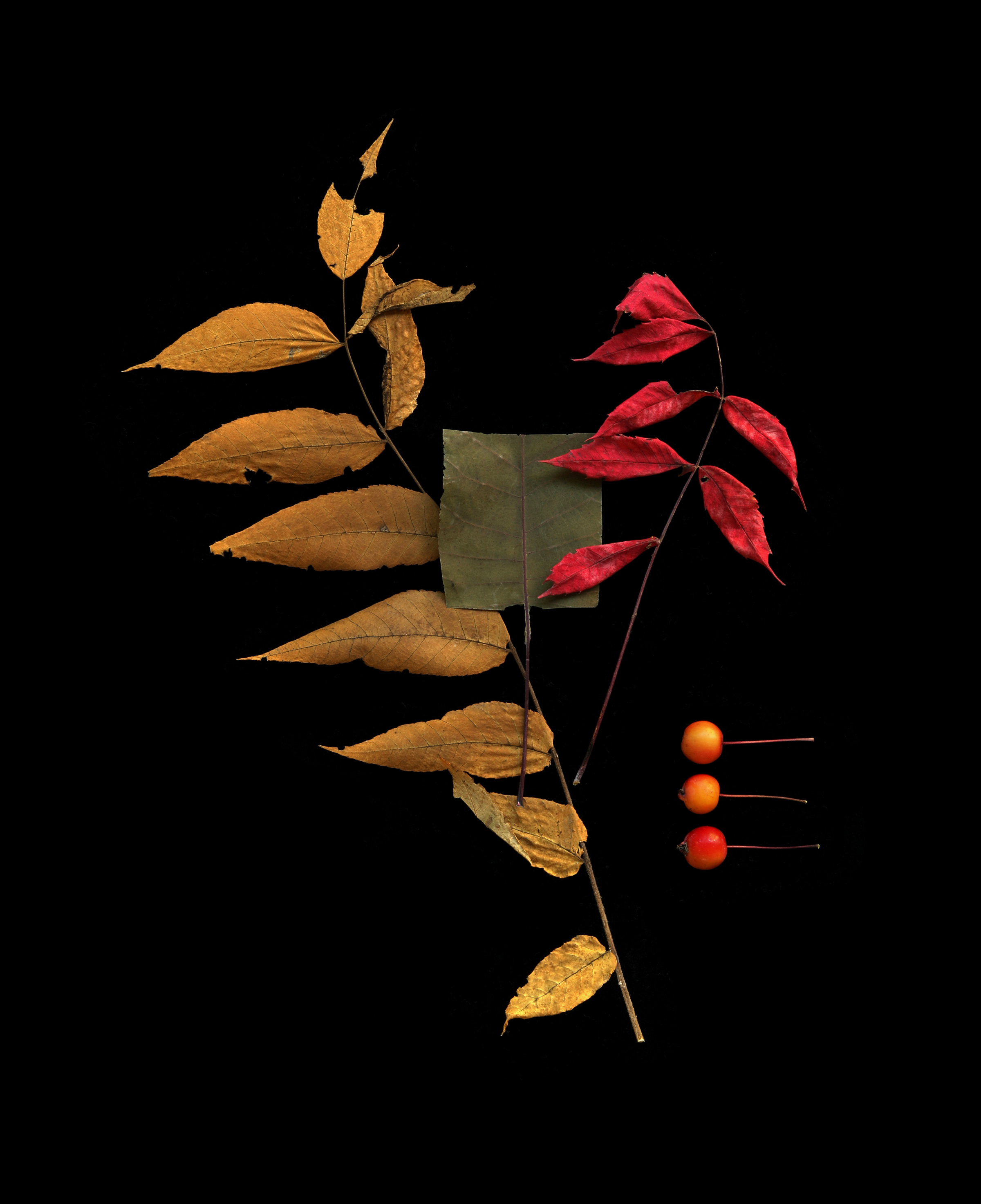
in am autumn mood
Today marks our return to autumn after a mini-reprieve that had temps hitting 90 degrees F on Sunday. While most of us seemed to be able to get outside and enjoy our few extra days of summer, I think everyone is also equally ready to (now) settle into sweater weather and hot cider. This composition is pure autumn vibes to me. Bring it on, I’m ready!
fall leaves (black walnut, smokebush, sumac) and three crabapples

waterlily from Longwood
Steve and I had a FULL day yesterday. Fun but full. So I am posting this waterlily photo I shot at Longwood a month ago. The Waterlily Court at Longwood Gardens is spectacular. A thing to go out of your way to see.
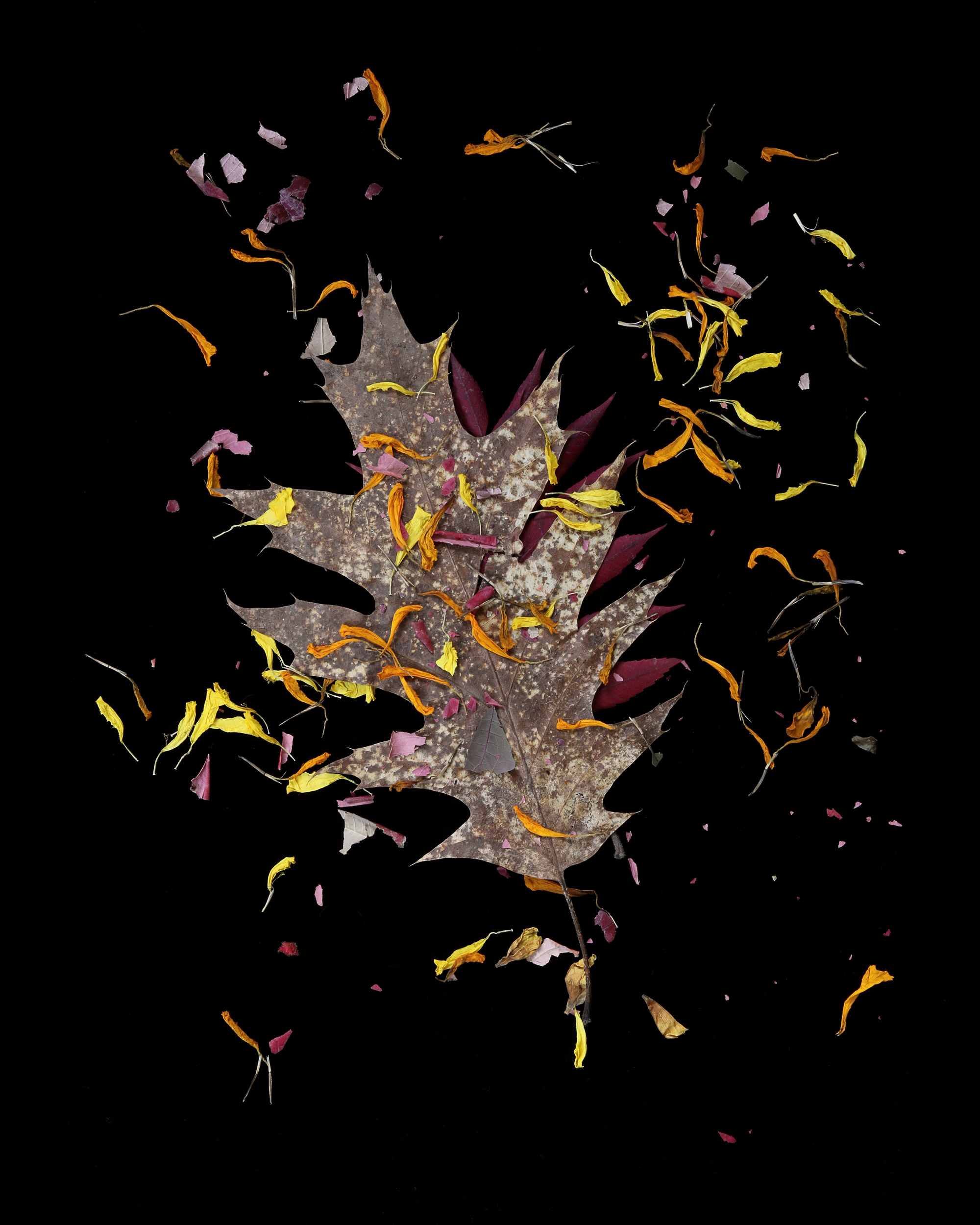
seasons collide
We are having one of those weeks in autumn when the temps creep back up into the 80s, and it feels like summer again. The dahlias are still blooming, and the leaves are falling simultaneously. When I grew up, we called this “Indian summer”. I think today we call it “shoulder seasons”. Whatever it is called, these seasonal mash-ups where we can still have a taste of both seasons are some of my favorite weeks of the year. In Minnesota, our shoulder seasons are traditionally in late-May, and early-October. Cheers to big shoulders!
fall leaves with flower petal confetti

Very seasonal! Shouldn’t it be “ruhl purdy”? ;)