

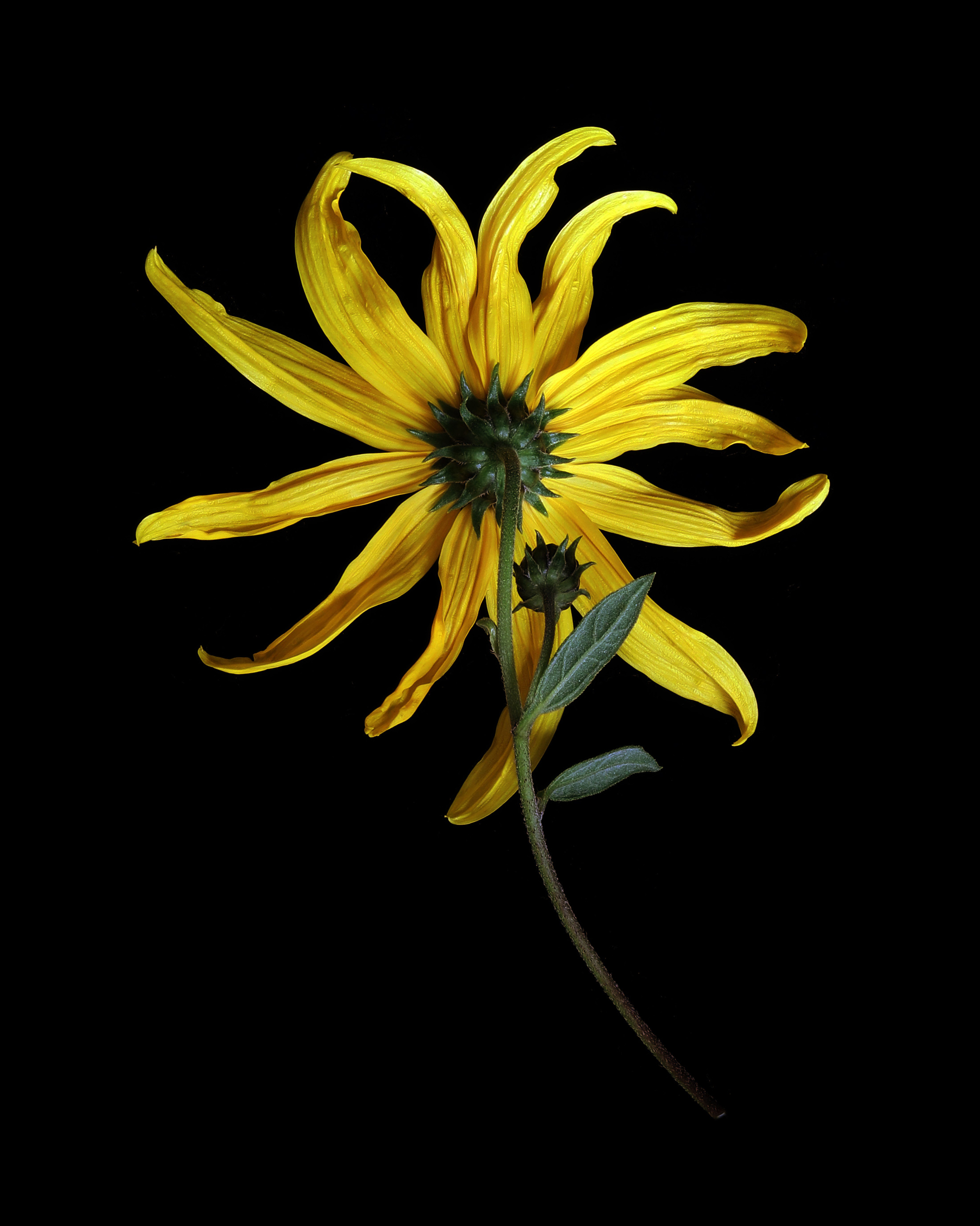
arthritic and beautiful
There are still plenty of sunflowers on the roadsides, but they are starting to show their discomfort with cold nights. The petals on this bloom looked like arthritic fingers to me. At this age, every flower is unique, unlike the undifferentiated beauty of early blooms. Another way of saying: Aging is beautiful.
Jerusalem artichoke sunflower (Helianthus tuberosus)
P.S. Ginny, Steve will definitely be harvesting these roots for consumption (Joseph is back at school). Harvest time is after first frost but before freeze-up. :-)
a different kind of anniversary
Today marks the 2 year anniversary of our house fire. What am enormous disruption that was. I am not yet fully back to myself, by any means. Matter of fact, I have just begun going to EMDR therapy, to address my hyper-vigilance and residual anxiety. I only have one session under my belt so far, but once I am into it for a few weeks I will let you know if it helping. The house took 14 months to rebuild and we are back in and super happy with it. All the “stuff” we lost is mostly forgotten (except for a few heirlooms). Truthfully, the biggest loss has been psychic: I lost my innocence, my ability to walk through life believing anything is possible and hard work will generally get you there. I lost my swagger. Yes, it was probably mostly naive, but honestly, I miss it. Every single day.
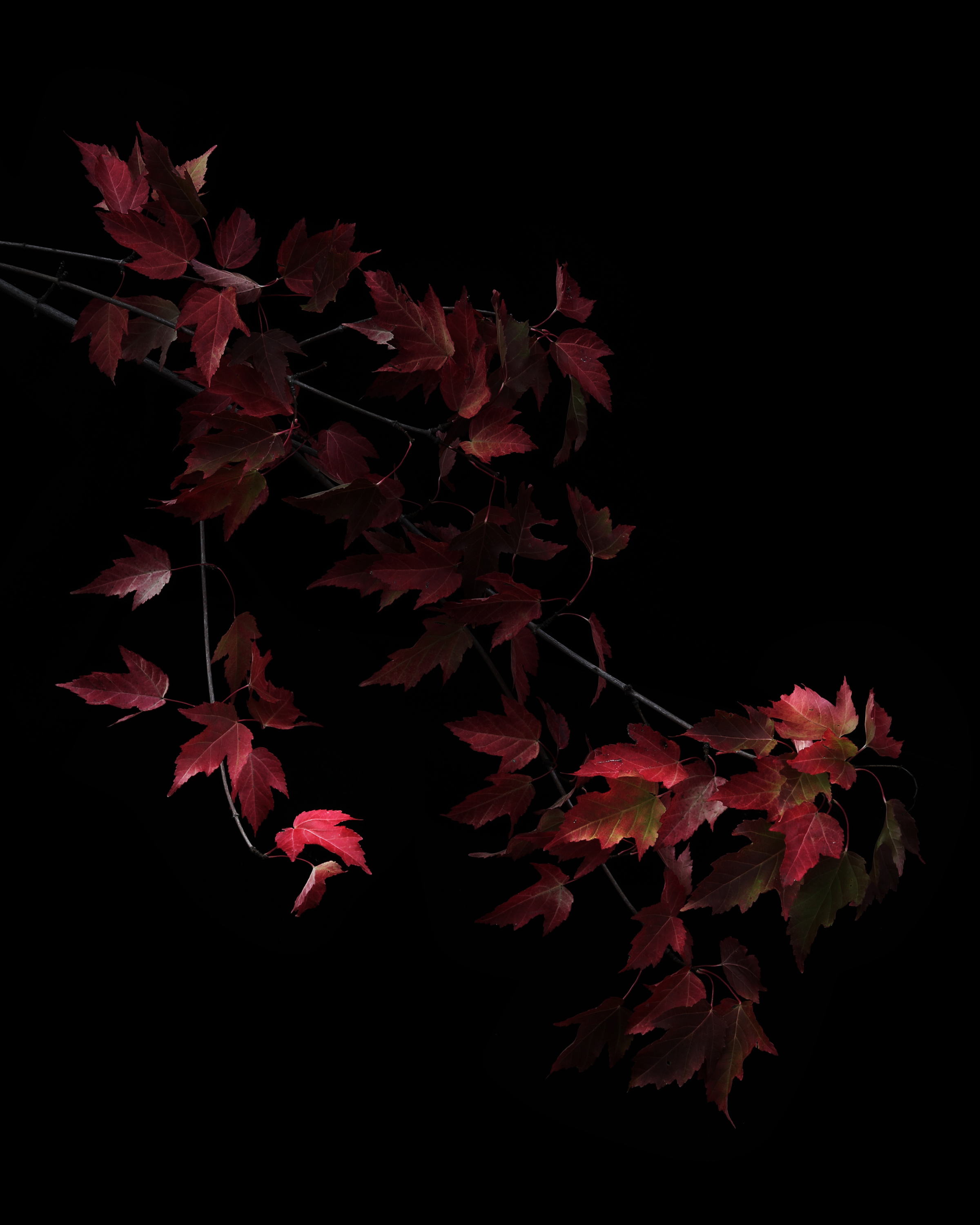
Amur Maple in October (Acer tataricum subsp. ginnala)
-
I was pretty sure the fire was what you were referring to earlier when you said you were feeling raw. I fully understand the hyper vigilance and anxiety. One afternoon some years ago my home was broken in to and “tossed” while I made a quick mid-day 45 minute trip to the grocery. Fortunately I didn’t walk in on the burglar, but it was alarming nonetheless to find everything topsy turvey. I live alone and it took a long time to feel safe again in my little cottage. Nothing much was taken (it was a drug addict looking for money and I don’t keep any cash stashed about). Strangely, an old black fleece hoodie, my winter around-the-house jacket, was taken. It was my mom’s and I miss it even now, as wearing it was like a warm hug from her :(
The EMDR therapy sounds very interesting and I hope it is effective for you. Keep us informed, please.
Those maple leaves are gorgeous and are reminiscent of smouldering coals, which is just what you planned, I’m sure! Brilliant!reply
time of tall grasses
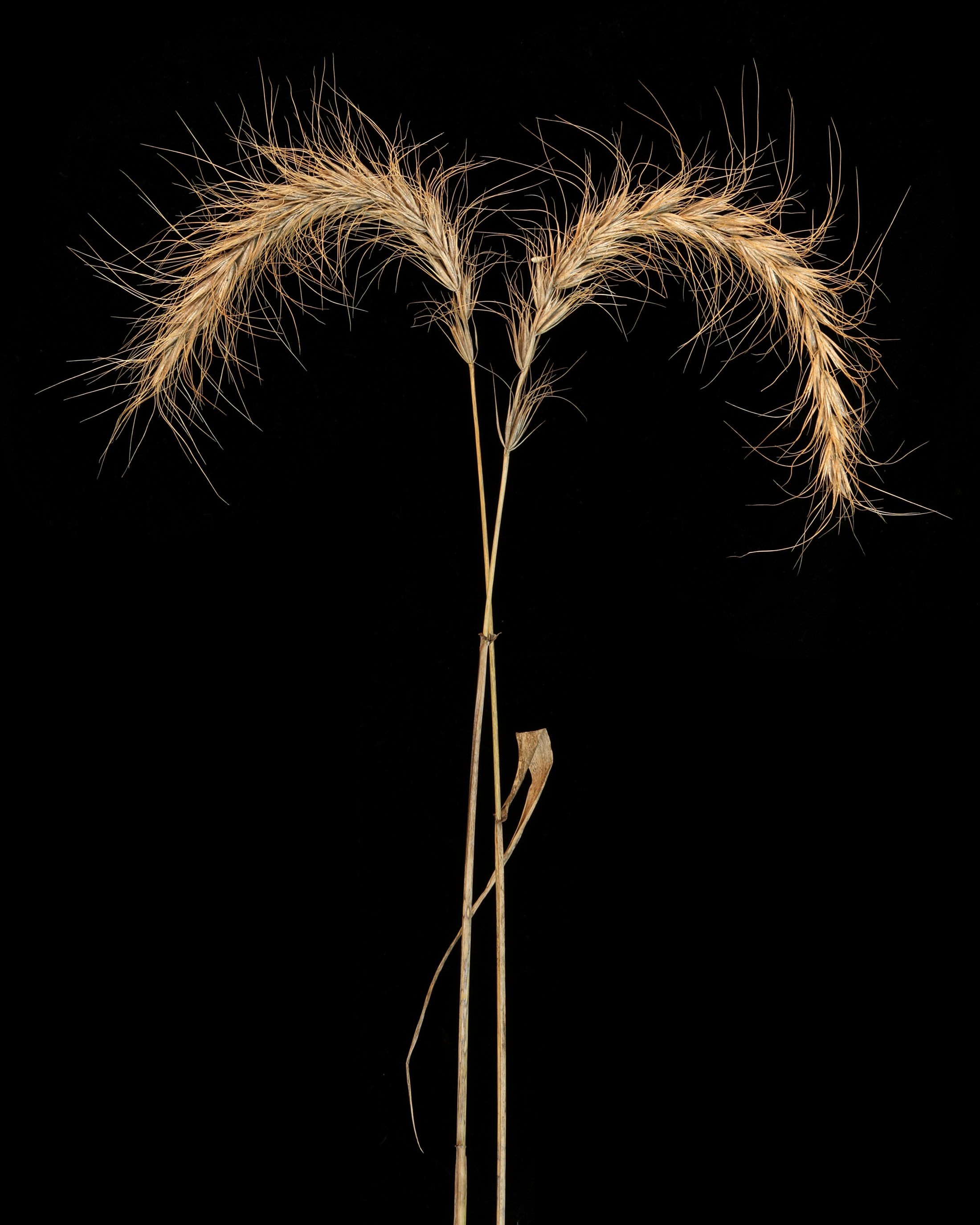
Steve and I took a walk in a local prairie this afternoon. I am in a particularly raw state right now (more on that later), but the beauty of the October prairie literally overwhelmed me. I think October may be the most beautiful month in Minnesota: The golden low-angle light, the changing colors, the bittersweet hanging-by-a-thread of the last blooms, the opening up of long views. We all know what’s coming in this part of the world. But today preemptively redeemed February’s coming chill.
canada wild rye (Elymus canadensis)
dry ’em while you can
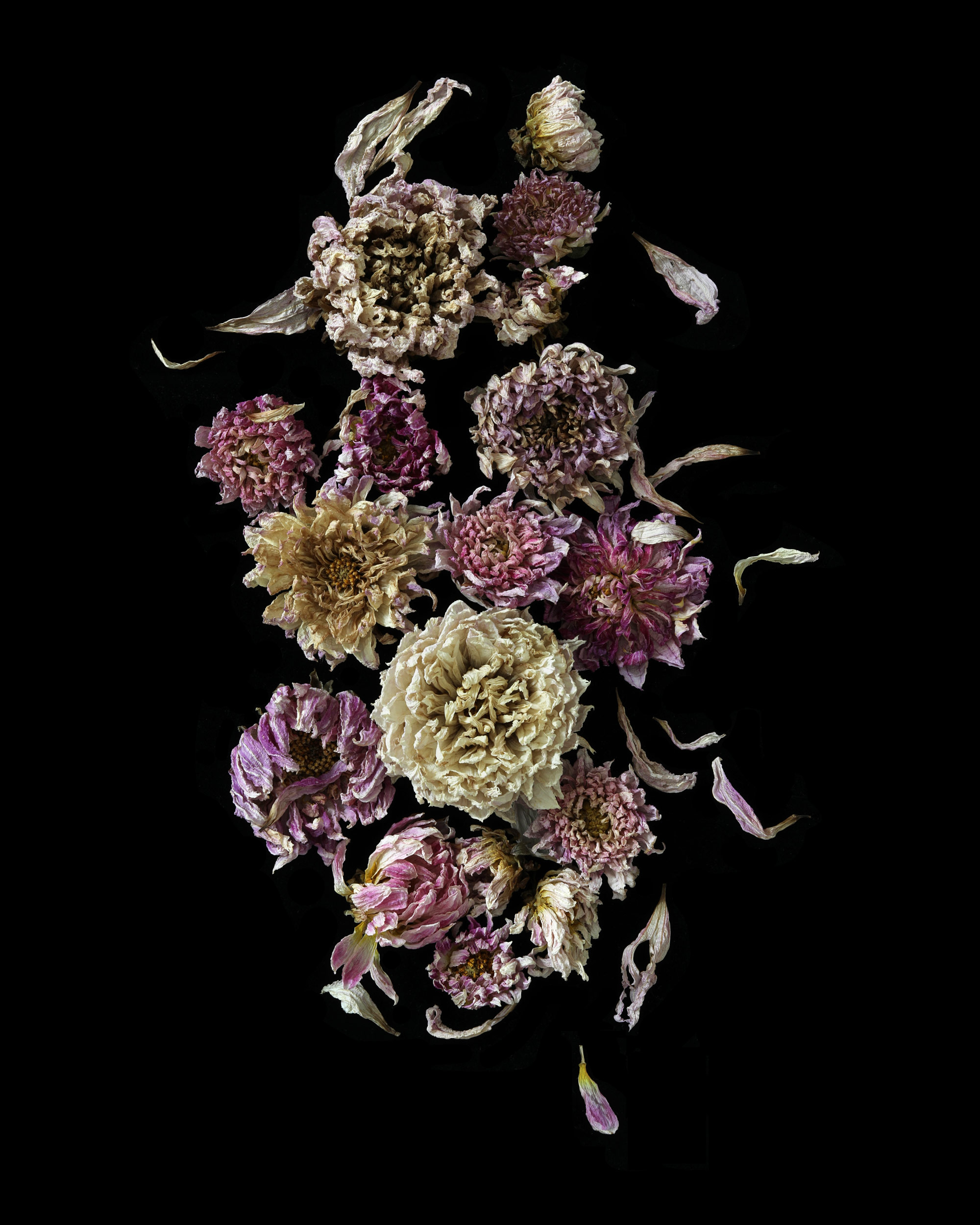
October snuck up on me. While it feels like fall, and is starting to look like fall, I have been too distracted with some minor medical issues (a severe allergic reaction to a recent medication) to notice that summer had officially ended. The roadside goldenrods, sunflowers, and asters are still here, and will probably hang on until first frost which could be any time in the next three weeks. Now is the time to get out in the garden and cut the last of your summer blooms and hang them upside down to dry. Won’t these dahlias look nice as part of a Thanksgiving centerpiece this winter? Dry ’em while you can!
dried pink and white dahlias
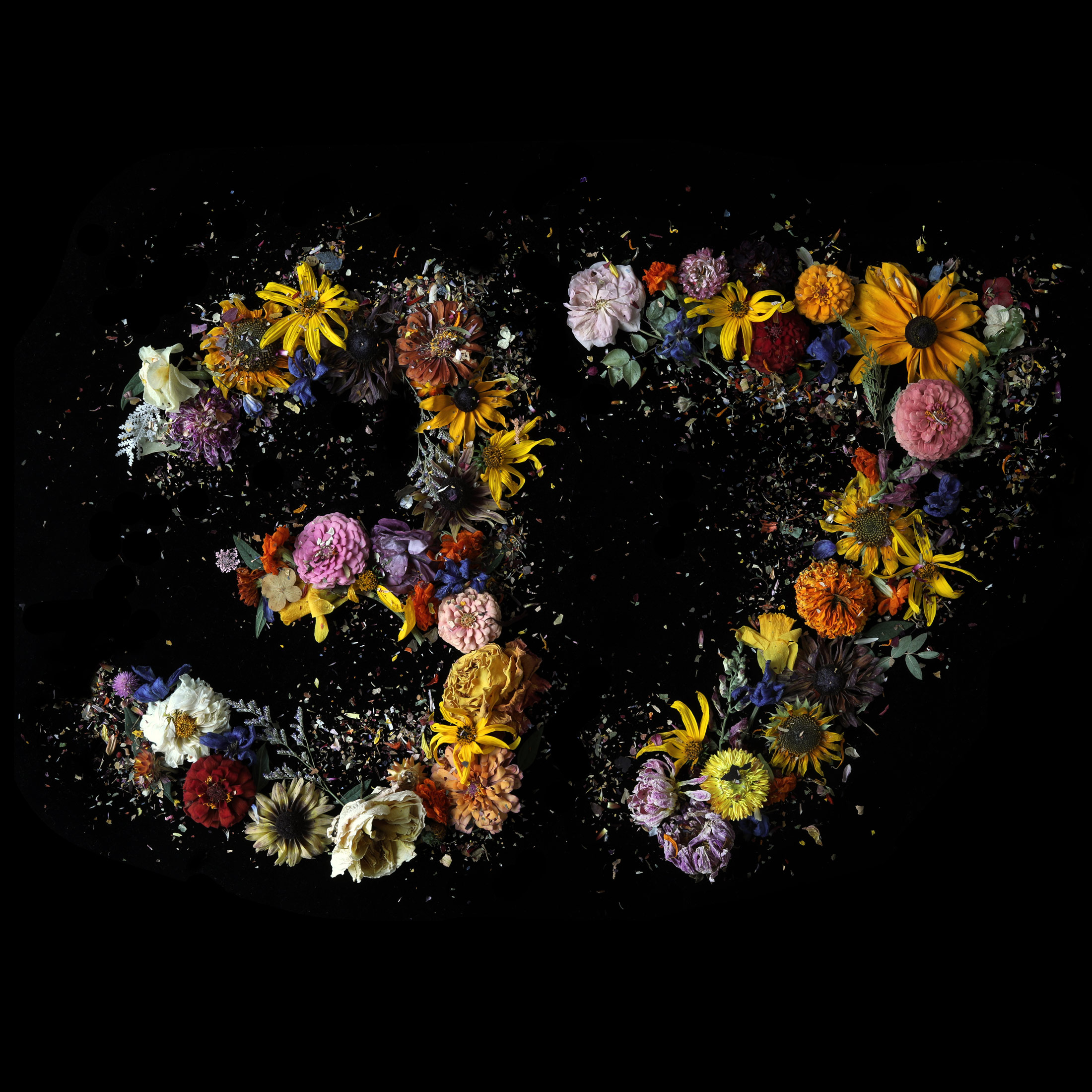
growing up together
Yesterday, Steve and I celebrated 37 years of marriage! We got married young; neither of us fully formed. We grew up together; we grew toward each other.
As many of you know, the last couple of years have been bumpy ones for us (not marriage-wise, life-complication-wise). I can’t imagine a better co-captain to navigate with.
They say that choosing the right life partner is one of the biggest factors in determining overall life satisfaction. We got lucky.
Happy Anniversary Stevie! I STILL love you, And always will.
