

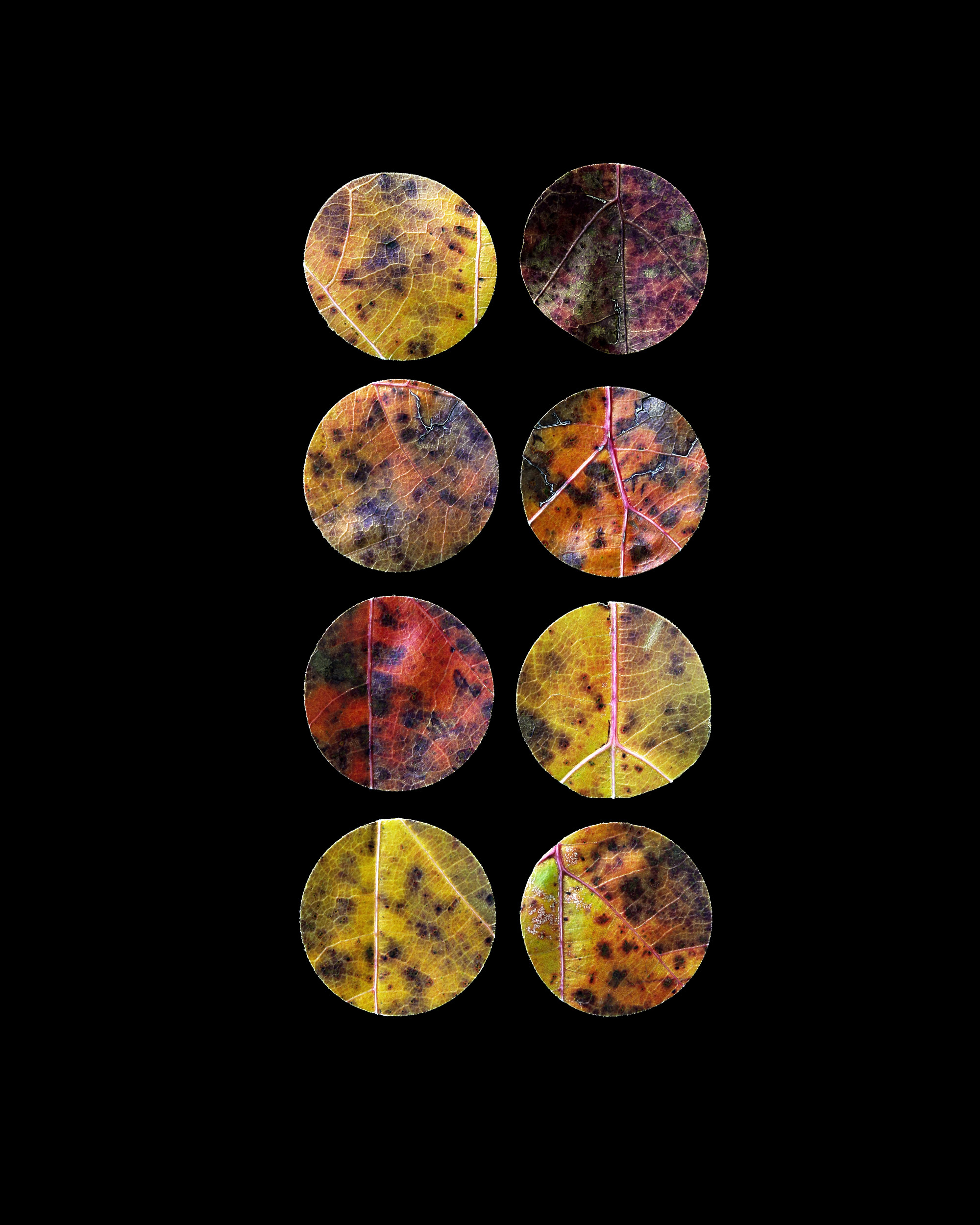
leopard prints and keystone species
I sort of ignored the oaks this year. So many of our other plants––especially the sumacs––turned such distinctive and unusual colors this fall that I didn’t even take notice of the oaks. But the leopard print effect on the leaves of this red oak grabbed my attention yesterday while I was out walking.
In the North, the oaks are considered our keystone tree. Are you familiar with keystone trees? A keystone tree is a species that has an outsized, disproportionate impact on its environment relative to its abundance. Oaks (Quercus) are widely considered the pinnacle of wildlife value because they hold the entire food web together by supporting hundreds of species of caterpillars, birds, and mammals. If a keystone tree is removed, the ecosystem radically changes or collapses.
northern red oak leaves in autumn (Quercus rubra)

I learned about keystones about 100 years ago in grade school and how they kept bridges up, so it makes perfect sense about keeping the environment from collapsing