

here, there, everywhere
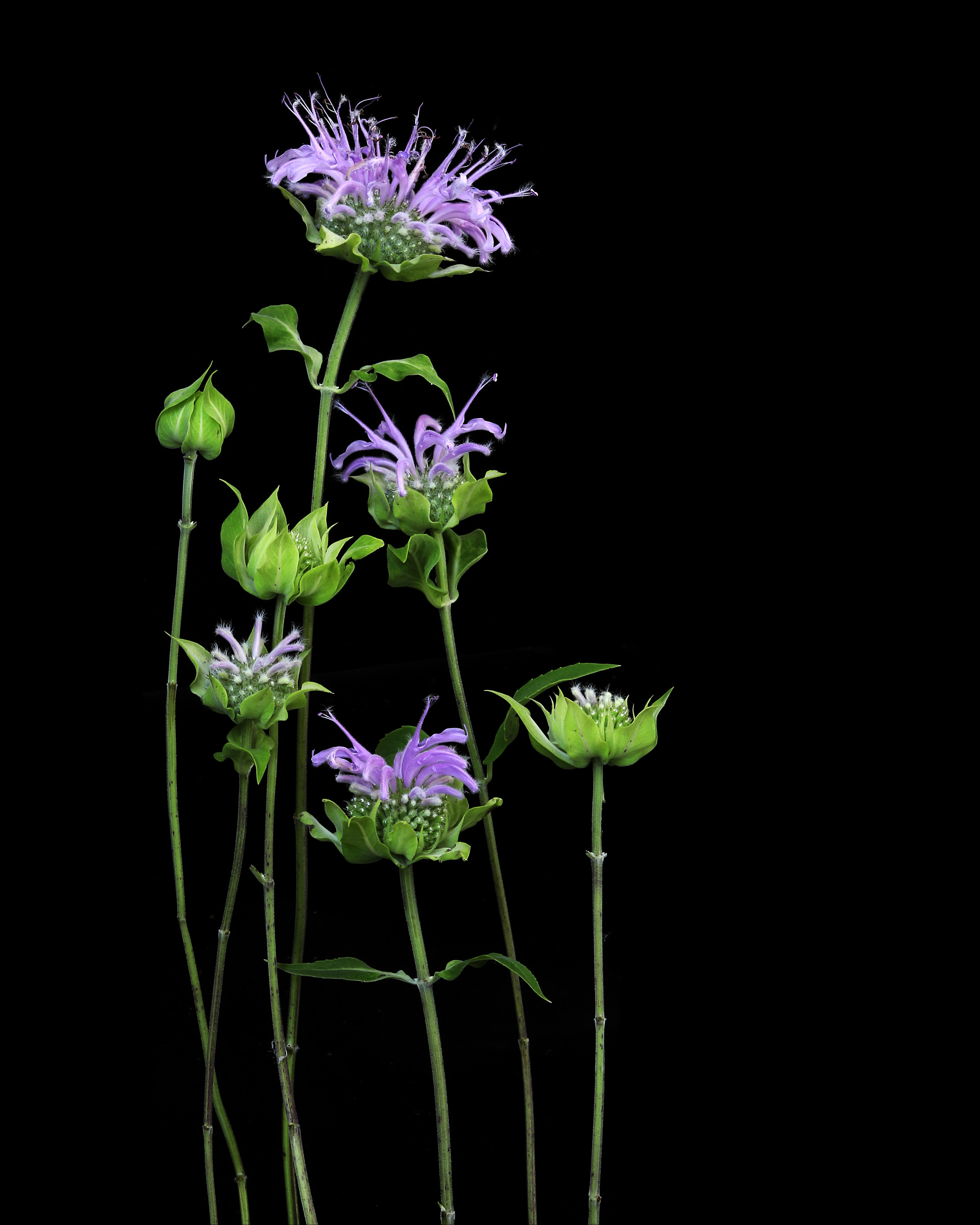
Yesterday’s wild bee balm bloomed in my kitchen.
We have bees. We don’t do the beekeeping, the U of M does the beekeeping. We are one of their field research sites. We’ve been doing this with them for about 12 years or so. We get the honey, they do what they want with the hive, collect data, and keep us graciously in the loop. Their method for keeping the whole system living over our harsh northern winters involves a two hive system where queens and colonies are swapped back and forth as needed to keep everyone alive and thriving. It is only July 13, and our hives are taller than I have ever seen them in the whole time we have had bees. Each time the bees fill a box with honey, the beekeepers will add a “super” to the hive. Usually by this time in summer, the hive will be the two bases boxes, and 1-2 additional supers–so each hive is maybe 4 boxes tall. Right now, we have a hive that is 8 boxes tall! It looks like a skyscraper, and it is only JULY! And the bee balm only bloomed yesterday and the goldenrod is a whole month away. If the hive gets much taller it will become tippy, so I am guessing the U of M beekeepers will actually start taking boxes to the extraction lab soon. Three cheers for happy honey bees!
wild bee balm (wild bergamot)

It’s so pretty and such a delicious color! And how cool to be involved, in a minor way, in the U of M’s project. How much honey do you typically get each year? Sounds as if it’s gonna be a bumper crop this year. I grow the native Eastern beebalm, which looks very much the same as yours. It blooms in May and, delightfully, has taken over a corner of one garden bed. Love the seed heads, and i know you do too!
Wow! I learn something new here every day. Thank you.