

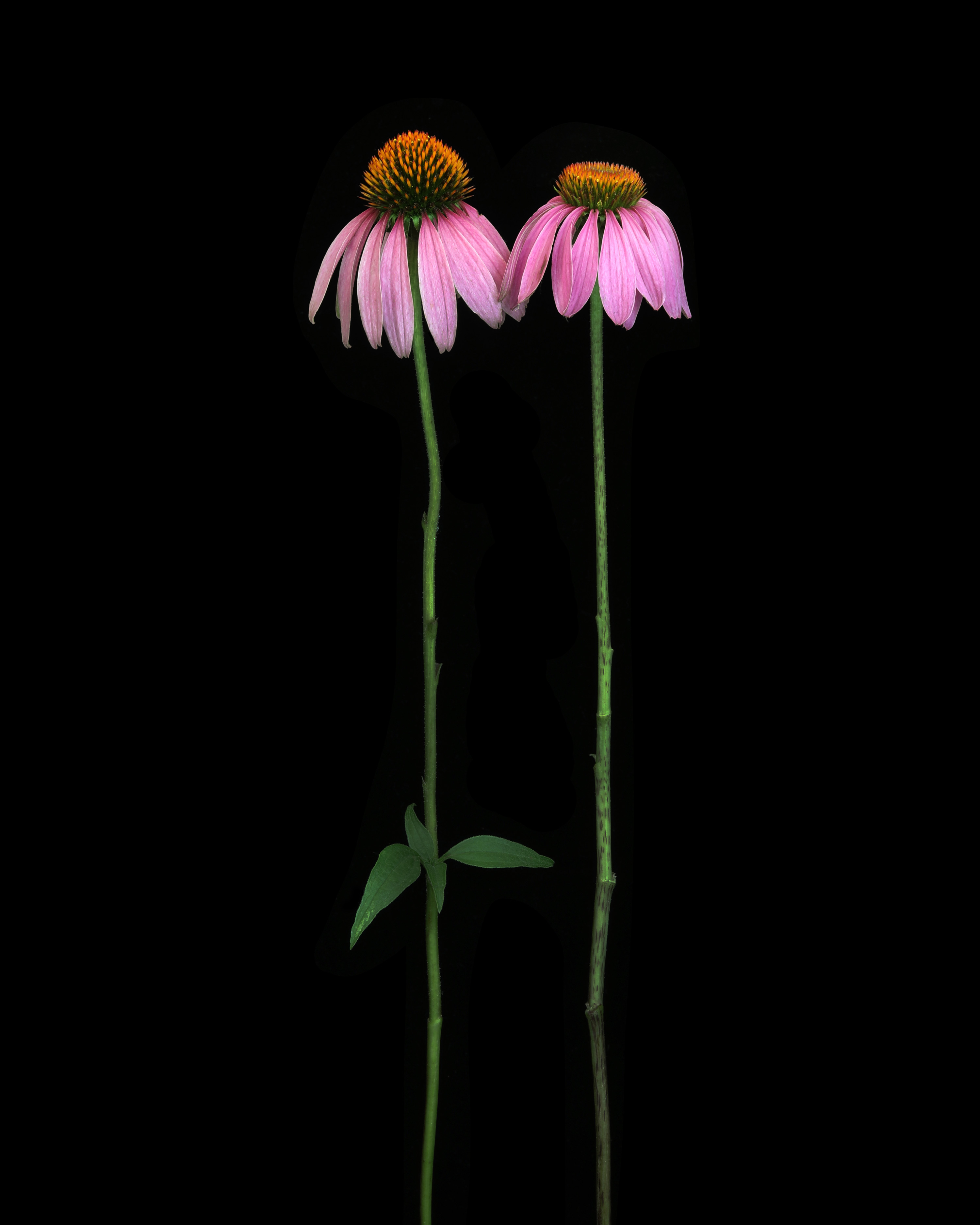
siblings? or cousins?
I wonder, are these two different varieties of coneflowers? Or the same species a few days apart in development? I foraged them from an open prairie of wildflowers near my house–so location is no help, either situation could have been going on there. I guess, the only answer is to keep these two on my desk this week, in a vase with water, and keep a close eye on them. I am quite sure some of you could relieve me of of watch duty however…siblings? or cousins?
coneflowers (echinacea)
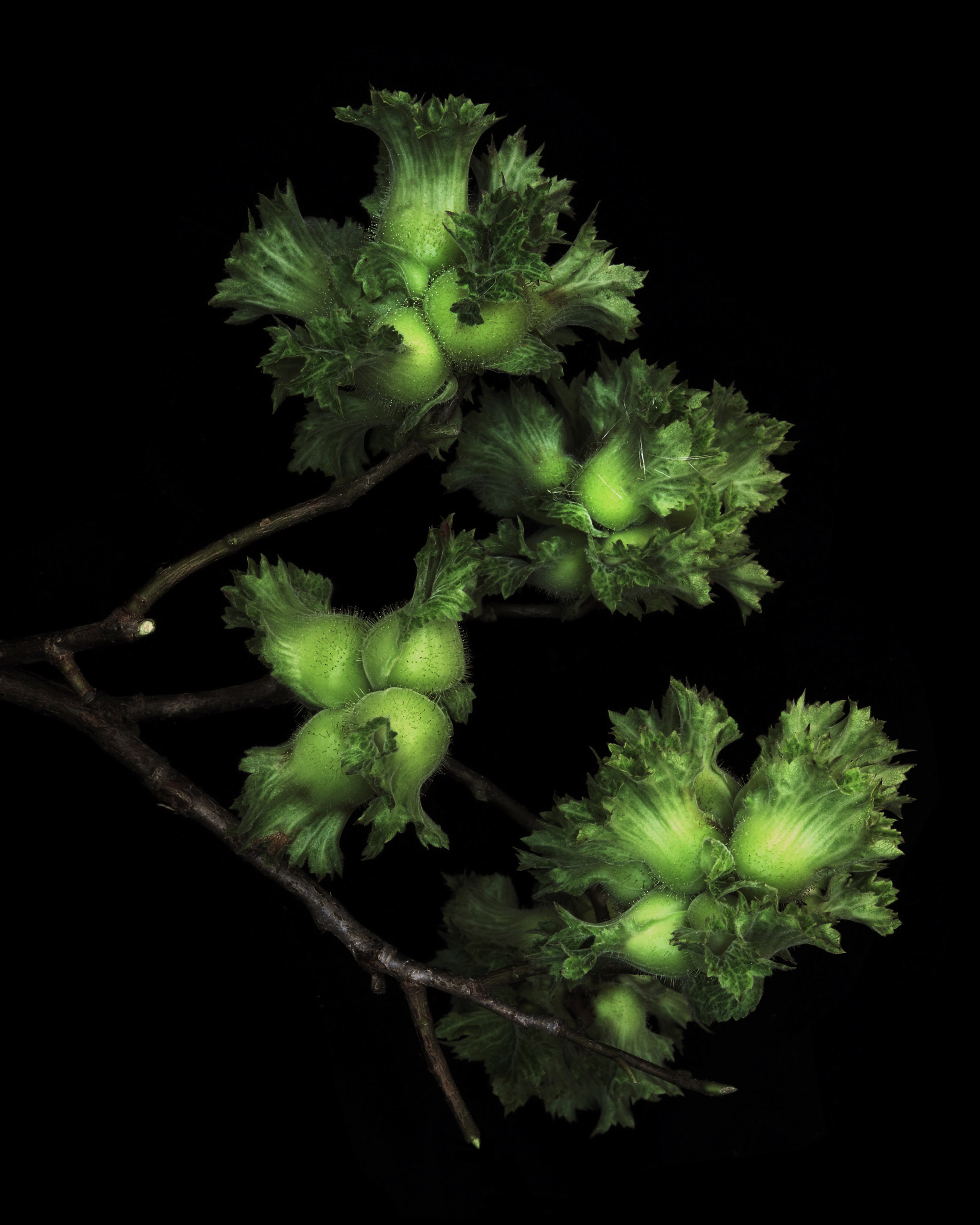
a native food we have ignored
Have you seen a hazelnut? Can you believe how unique they look? Last year was my first time seeing them in their husks. I had no idea they the husks were ruffled, and the nut clusters look like groups of square dancers at a hoedown. Steve is doing research for an article on hazelnuts, so I have been tagging along for the fun of it. This week we visited our first hazelnut grove on the campus of the University of Minnesota. American hazelnuts are cold hardy but they have hard shells and relatively small nuts. European hazelnuts have thinner shells, bigger nuts, but are not cold weather hardy. The U of M and the UW-Madison are actively doing research on hybridized cultivars that could turn our native hazelnuts into larger nuts, thinner shells, but maintain the cold weather hardiness. This would make hazelnuts a viable cash crop for farmers that would add a little biodiversity to their farms. A win for the farmer and the environment. Cheers to win-wins!
hazelnuts on the U of M campus (probably an American x European hybrid)
-
They look like tiny heads of lettuce. So gorgeous. If anyone want something delicious look for the Hazel nut Tort recipe, made in a blender and only 2 tablespoons of flour.
reply
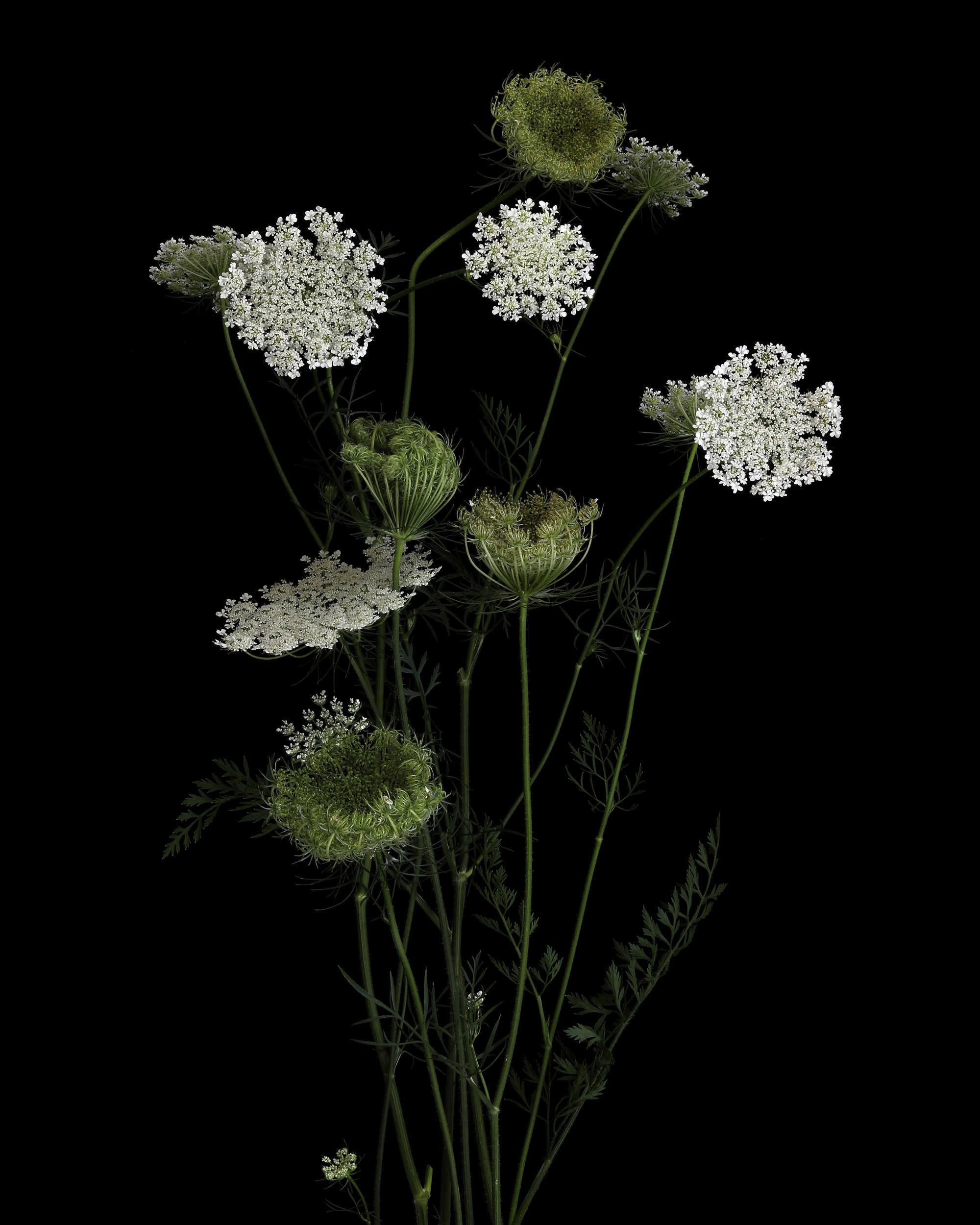
everyone’s favorite
I posted these wild carrot photos to Instagram today, and learned–not surprisingly–that queen anne’s lace is many people’s favorite wildflower. I think it may be mine as well. I had never asked myself “what is my favorite wildflower?”, nor pondered whether it is any different than my favorite flower in general. On further contemplation, I think I can say Queen Anne’s Lace is indeed my favorite flower and wildflower. How about you? What is your favorite flower? What is your favorite wildflower? Don’t stress about answering too much, your answer can be different tomorrow. I won’t hold you to it :-)
queen anne’s lace in mid-July (Daucus carota)
-
Aren’t they just the prettiest flower ever?? So lacy and carefree. They look so delicate and yet are so hardy, these stalwarts of the summer roadside. They are a required element in my summer bouquets. And who can resist their nest-looking seed heads or their ferny foliage? They 100% get to stay where ever they show up in my garden beds!
reply
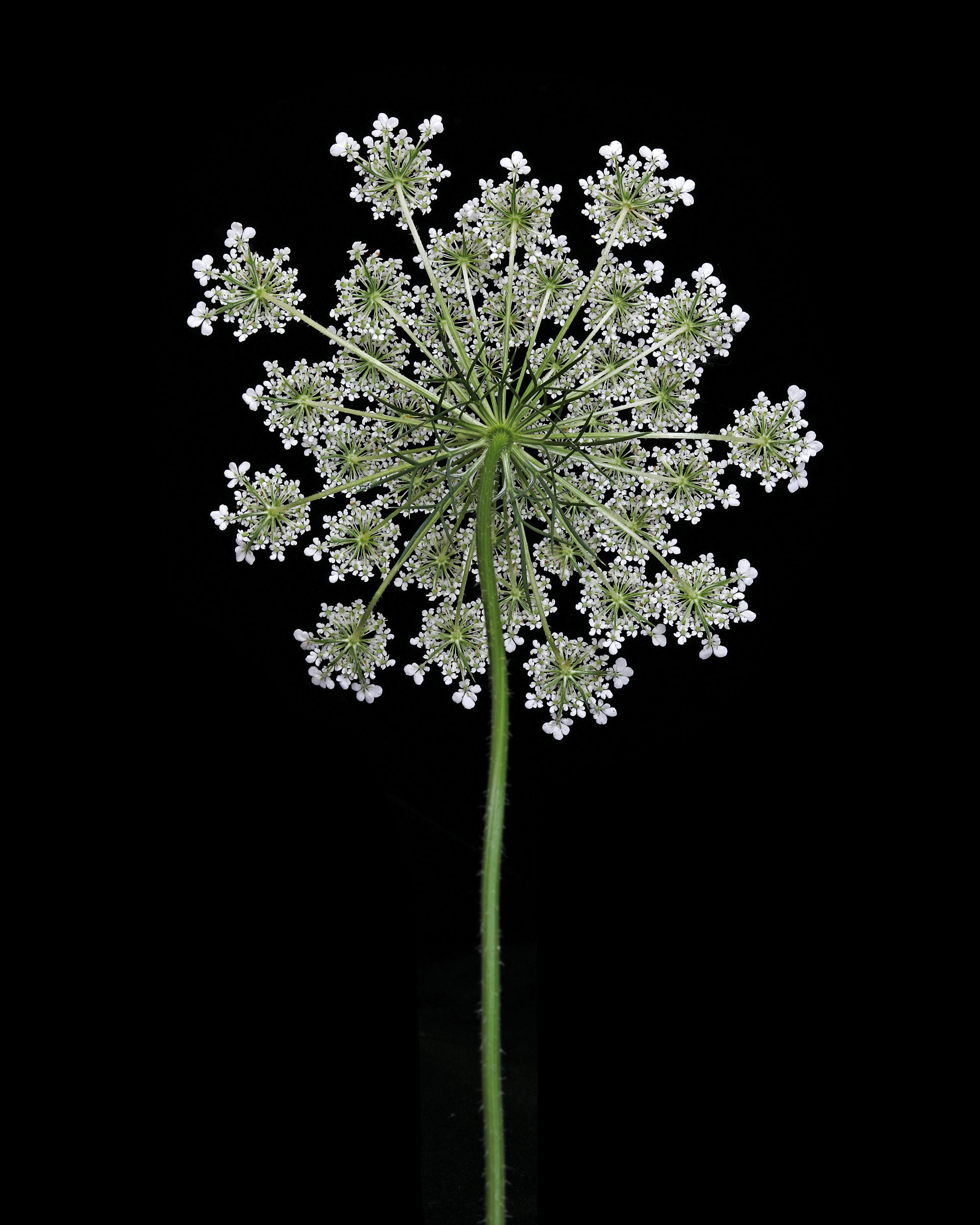
All hail the Queen!
They Queen has arrived. All rise.
Queen Anne’s Lace (Daucus carota)
-
This was my favorite wildflower as a child, as an old lady it still is
reply -
P.S. my favorite uncle taught me about placing the stems into a bottle of ink – that was how I learned about osmosis
reply
day 2
As it sometimes happen, Day 2 of my recovery from oral surgery has been more painful than Day 1. Perhaps on Day 1 the brain and body are still in shock, trying to make sense of what happened. By Day 2, they understand the magnitude and scope and of the violation, and are saying, in anger “WTF, man? This HURTS!” Anyway, I am feeling puny and spent a big part of the afternoon curled up in bed reading David Sedaris. I wish I would gve mysef permission to this more often when I am not sick, because it is a delicious luxury.
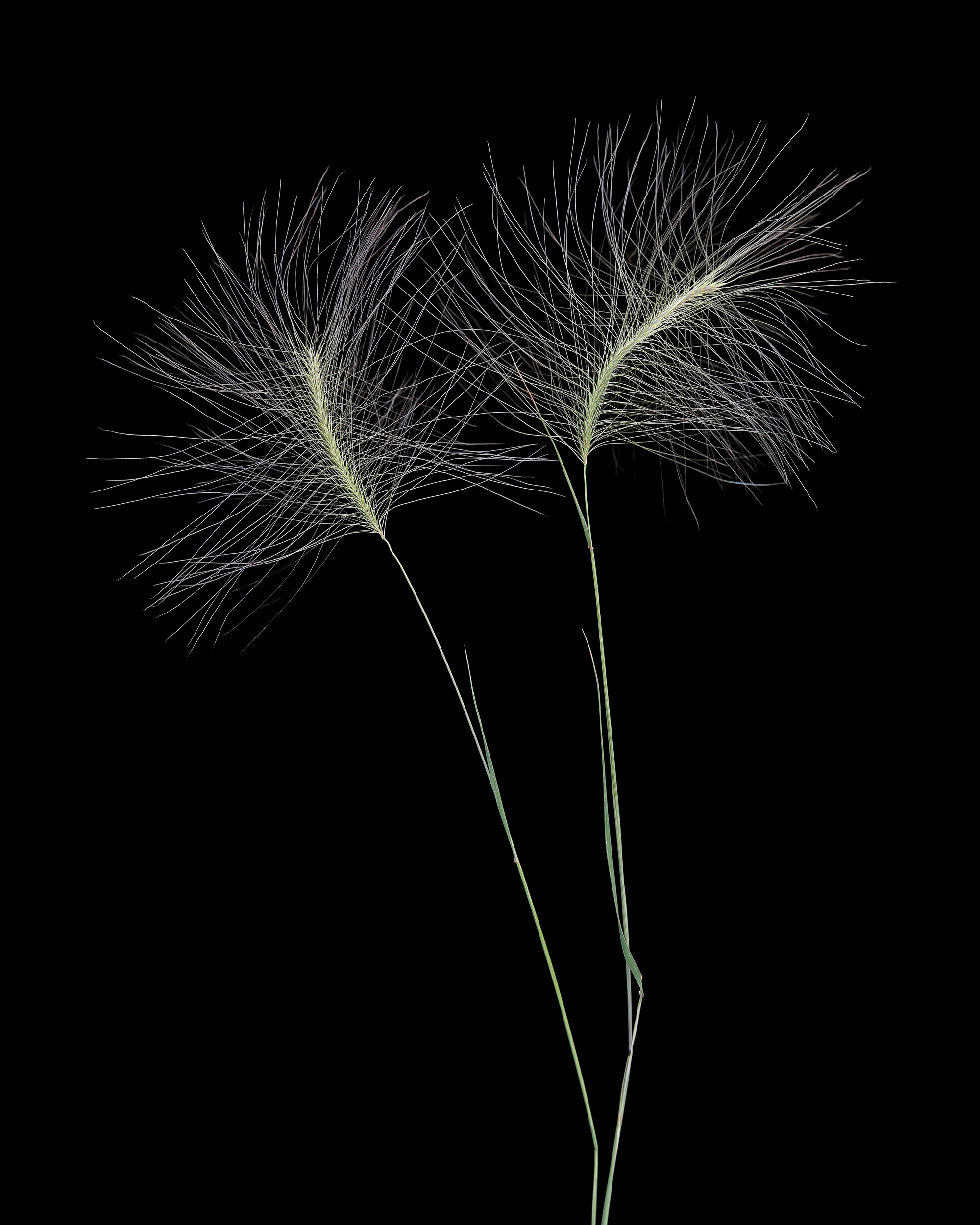
Here is the familiar version of yesterday’s defamiliarized image.
wild foxtail barley grass
-
This grass is charming! Somehow, to my eye, it is reminiscent of the palm fans in Egyptian art. You tricked me yesterday. It’s not often I can’t ID your subject!
Sorry you’re feeling puny, but curling up with a good book is a cure for much in life I think. Hope the laughing (Sedaris) isn’t hurting too much. Hope you’ve turned a corner by this morning.reply
